Diet in Disease Mellitus

Diabetes mellitus is a chronic metabolic condition that prevents body to utilise glucose completely or partially. It is characterised by dearrangements in the metabolism of glucose as well as abnormalities in the metabolism of fat, protein, and other substances.

WHO classified diabetes into two categories

TYPE 1

It is also known as Insuline dependent diabetes mellitus or juvenile diabetes. It is usually occur in the younger age group and there is an inability of pancreas to produce adequate amount of insuline.

TYPE 2

it is also known as non insuline dependent diabetes mellitus or adult onset diabetes. It develops slowly and is usually milder and more stable. In this insuline may be produced by pancrease but action is imparied.

TIPS FOR MEAL PATTERN IN DIABETES MELLITUS

  1. Diabetic patient should avoid fasting and feasting.
  2. Meals should be consumed within 1/2 to 1 hour of taking hypoglycemic drugs/ sbort acting insuline.
  3. Exercise should always be after meal and after vigrous exercise, sports a small snack should be consumed.
  4. During common illness such as diarrhoea/vomiting food shouldbe consumed in normal quantity.

TIPS FOR DIABETES MELLITUS

  1. Food should be high in fibre
  2. Vegetable oils should be consumed such as olive oil, safflower oil, rice bran, corn, cottonseed oil etc.
  3. It is good option to keep changing oil used for cooking
  4. Non stick cookware helps in reducing the amount of fat used in cooking specially for obese or hypercholestrolemic diabetic patient.
  5. It is adviseable to consume plenty of raw vegetables in the form of salad(with sprouted cereals/pulses) before and along with their edible peels.
  6. Raw whole fruit(1-2) serving per day should be consumed with their edible peels.

FOOD SHOULD EAT IN DISEASE MELLITUS

  1. Wheat grain cereals( wheat, jowar, bajra,ragi),wheat grain cereals flours, sprouted cereals, bread prepared by using whole wheat flour, cracked wheat, wheat bran should be preferred over low fibre cereals such as rice, chirwa, suji, refined wheat flour(maida), arrowroot, sago and their products such as vermicelli, pastas, bread/ biscuit/ bakery products.
  2. Dry heat method ( roasting, sautring, grilling, baking, microwave) should be used while preparing food.
  3. Roasted channa/ soyabean/ benga, gram dal, soya and wheat puffs mixwed with oat/ wheat flakes are good ready to eat snacks.
  4. Whole pulses (soyabean,cowpea, rajmah, whole moong, whole urad, whole benga, gram, horse gram) legumes, sprouts and whole pulse flour (whole bengal gram flor, soya flour, whole moong flours ) should be preferred over de husked washed pulses such as arhar, washed moong/masoor/urad.
  5. Skimmed/ low fat and skim milk products such as curd, yogurt, paneer should be preferred particularly by adult and obese diabetics.
  6. Lean meat such as poultry (chicken, egg white), fish should be preffered over red meat (goat, buffalo, cow, pork) and egg yolk.
  7. High fibre and low calorie vegetables such as amla, cabbage, drumstick, raddish, cucumber,lotus stem, beans, ladyfinger, tinda, bitter gourd, and leafy vegetables such as amarnath, lettuce, fenugreek, mustard should be consume liberal in diet.
  8. High fibre and low caloriw fruits such as apple, guava, pineapple, raspberries, muskmelon, water melon, pear, bael should be include in diet.
  9. Lemon water, zeer pani, kanji, lemon tea, butter milk, are better to consume over fruit juices, fruit drinks, and soft drinks etc.

FOODS TO AVOIDED

  1. Butter cream, margarine, pure ghee, egg yolk, and animal fat should be completely avoided.
  2. Fried foods should be avoided
  3. Margarine, several spreads/ bread spread should be avoided.
  4. Tubers and starch egetables such as potato, yam, colocadia, sweet potato should be avoide.
  5. Fruits like mango, banana, grapes etc should be avoided
  6. Honey, jagger, sugar, need to be avoided.

Diet in Infection and Fevers

Fever is an elevated body temperature above normal (98.7 degree F)which may occur due to exogeneous factors ( Bacteria, Fungi) and Endogenous factors ( antigen- antibody reaction, malignancy and graft rejections). So Fever is a symptom not a disease itself.

Fevers and infections can be classified into two broad categories

1. Acute fever is of short duration and body temperature may rise to above 104 degree F. Examples are typhoid, malaria, pneumonia, influenza, chickenpox, tonsilitis

2. Chronic fever generally of longer and sustained duration. Patient have past hostory of repeated episodes and such infection may characterized with a low grade fever.

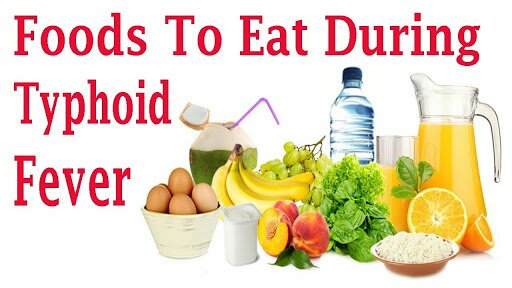
ACUTE FEVER DIETARY TIPS

The food should be High in Calorie, High in Protein, High Carbohydrate, Moderate Fat, High Fluid, Low Fiber and Soft Diet.

  1. Juice,soups, dal water, broth should include in diet.
  2. Refined cereals and their products can give patients.
  3. Egg, cottage cheese, tender and steamed or baked chicken, fish contain high biological value protein.
  4. Fruit juices, gelatin, honey, sugar and milk product calorie and protein rich desserts could be preaped.
  5. Excessive milk and milk product and dairy fat such as cream and butter should be restrict in diet
  6. High fibre food like whole grain cereals and theirs products like whole wheat flour, cracked wheat, whole pluses should be avoided in diet.
  7. Raw vegetables and foods should be avoided.
  8. Fried fatty foods should be avoided.
  9. Chemical irritants like spices, pickles, pappad, ketchups, etc should be avoided.
  10. High biological protein such as milk and milk products, eggs, meat, marine foods, chicken, pulses and legumes can be include in diet.
  11. If patient is on full fluid diet good amount of milk and beaten egg should be given.
  12. If patient is suffering from diarrhoea or abnormal distension is severe milk intake may need to be resticted
  13. Food rich in monosacchradies and disaccharides should be given to patients.
  14. Starch should be in liberal amount.
  15. Plant polysaccharides in the form of dietary fibre should be kept to a minimum as they increase gastric discomfort as difficult to digest and reduce the nutrient density of meals.

FOODS RICH IN EASY TO DIGEST CARBOHYDRATES

semolina, rice, chirwa, murmura, refined flour, sago, arrowroot, starchy roots/tubers, jaggery,honey, dextrose fruits, such as banana, mango, sarpota, grapes etc.

FLUIDS CAN GIVE

bland clear fluid and full fluids kanji, lemon water, fruit juices, soups, coconuts water/milk,, squashes (without citric acid), sugarcane juice, high energy glucose/electrolyte drinks,wheywater, buttermilk,lassi, soyamilk, milk shakes etc.

FOODS FOR VITAMINS

Cooked foodin red palm oil, incorporating spirulina, curry leaves, amla, lemon

FOODS FOR MINERALS

Green leafy veggies ( bengal gram leaves), curry leaves

SOME OPTIONS FOR PATIENT DIET

Upma/ poha/daliya/khichdi with vegetables, sprouted, stewed fruits with honey, fruit cream, custard, pureed vegetables and pulses veg soupss with creambutter, potato dumplings,roasted yam, potato, ice cream, pudding, souffle etc.

Why Breastfeeding Is Important?

breastfeeding-united-states-world-health-assemblyBREASTFEED YOUR BABY IT IS IMPORTANT FOR YOUR CHILD.”  every expected mother hear this from all old ladies. they give different suggestions to take care of a baby but everybody says to breastfeed your baby. so why breastfed is so important for a baby.

As we all know after the delivery a THICK, YELLOW FLUID secreted from the breast which is called COLOSTRUM. it is RICH IN PROTEIN. it is secreted only for 2 to 3 days after delivery.

Then why it is important to exclusively breastfeed baby at the age of six months. so here I am going to tell you about the importance of breastfeeding other than the colostrum point and the importance of breastfeeding for baby as well as a mother also.

As everyone knows colostrum is rich in protein. it is first immunization for the baby it enhances the development and maturation of baby’s gastrointestinal tract.

After secretion of colostrum, next milk secreted from the breast is Transition milk it secreted during the next 2 weeks. it rich in fat and sugar. exclusive breastfeeding of colostrum and transition milk minimizes infection-related deaths.

Foremilk is watery and has a low level of fat and high in lactose sugar, protein, vitamins, minerals and water. it comes first. It satisfies the baby thirst.

Hindmilk comes later and rich in fat. It satisfies the baby’s hunger. babies who fed foremilk and hindmilk sleep well and grow healthy.

It’s about the mother’s milk that how it satisfies the nutritional need and thirst of the baby. and now what nutritional benefits baby and mothers get from breastfeeding.

  • Baby gets energy from mother’s milk because it has the high carbohydrate content
  • Breast milk has a high amount of lactose which facilitates the absorption of magnesium and calcium.
  • Breast milk has fat content which regulates caloric intake and weight gain.
  • Breast milk contains vitamin A C and E.
  • No copper deficiency is found in breastfed babies.
  • Breastfeed supplies enzymes which increase digestibility and also act as a defense against microbes.
  • Due to breastfeeding contamination and infection chances are less.
  • A low danger of incorrect formula and overfeeding
  • Low chances are an allergic reaction as breast milk protein do not cause allergies.
  • Breast milk is easily digestible so fewer chances are colic.
  • Breast milk is always fresh and the right temperature.
  • Breastmilk is one food that makes a complete meal and the meal is always ready.
  • Breast milk is renewable sources.

Benefits of Breastmilk to the mothers

  • Breast milk creates strong bonding between mother and baby.
  • Breastfeeding reduces postpartum bleeding and delays the menstrual cycle
  • Breastfeeding is convenient for mothers to administer at any place and time.
  • It saves energy time and money.
  • It decreases the risk of postpartum depression.
  • It increases the bone density and risk of fractures.
  • Breast milk helps a mother to reduce extra weight.